Online learning in a pandemic: A perspective

The whole world is being challenged momentarily. Everyday routines and habits have come to a halt and we are getting used to new daily schedules. School is now online for many students worldwide, and the idea and introduction of online schooling was quickly sprung upon us. It has been very difficult to get used to this “new normal” system and operate not only as a student, but equally a teacher. See full article at Advanced Science News.

Posted in Uncategorized | Leave a comment

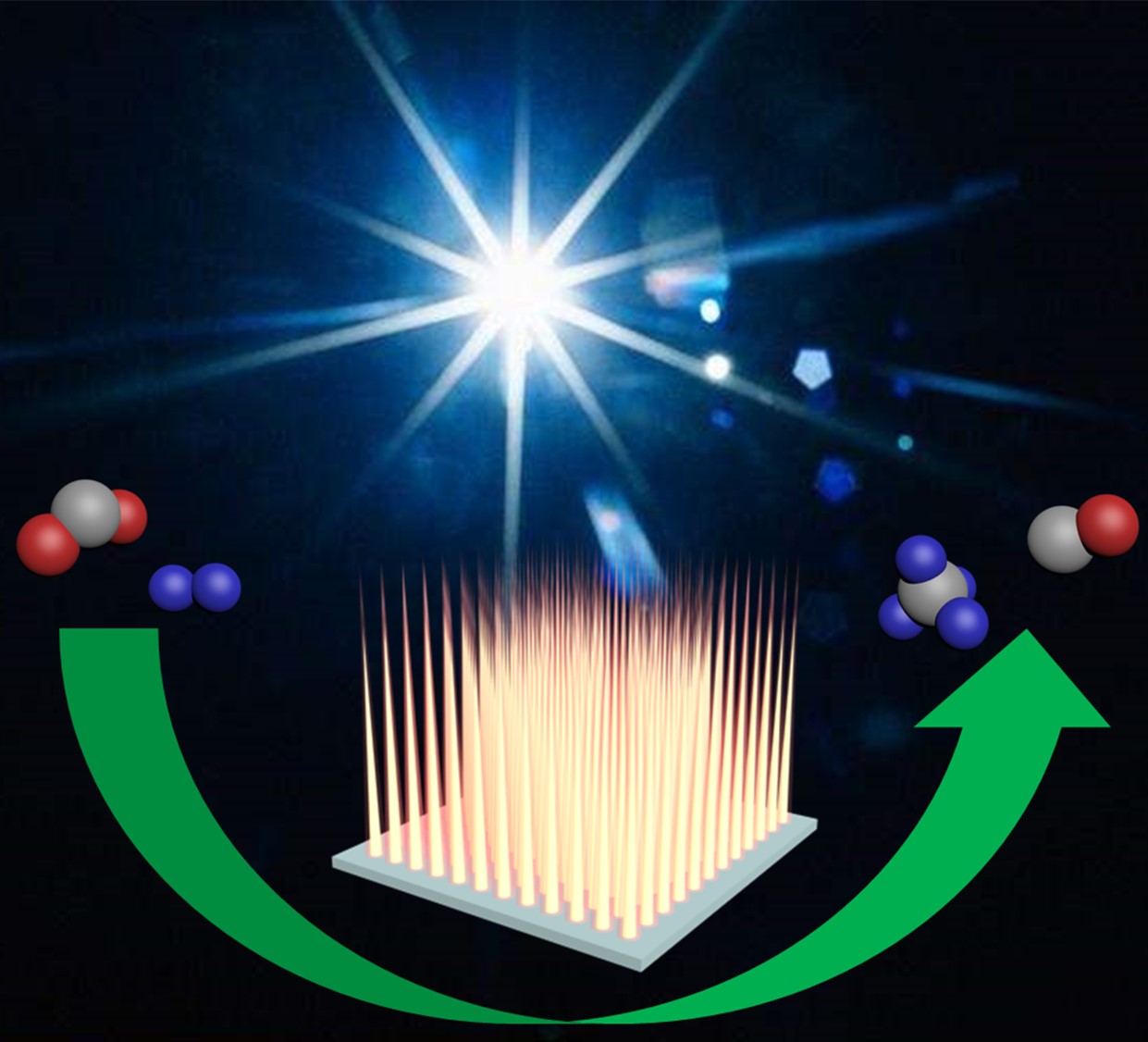
Cobalt Plasmonic Superstructures Enable Almost 100% Broadband Photon Efficient CO2 Photocatalysis

Congratulations to the authors of “Cobalt Plasmonic Superstructures Enable Almost 100% Broadband Photon Efficient CO2 Photocatalysis” for having their paper recently accepted to Advanced Materials. Their work demonstrates photothermal hydrogenation of CO2 using a plasmonic superstructure, consisting of an array of nanoneedles, to enhance the absorption of sunlight. The success of these papers among readers highlights their significance and impact in their respective fields. See full paper at Advanced Materials.

Posted in Uncategorized | Leave a comment

Thoughts on materials discovery at the human-machine interface

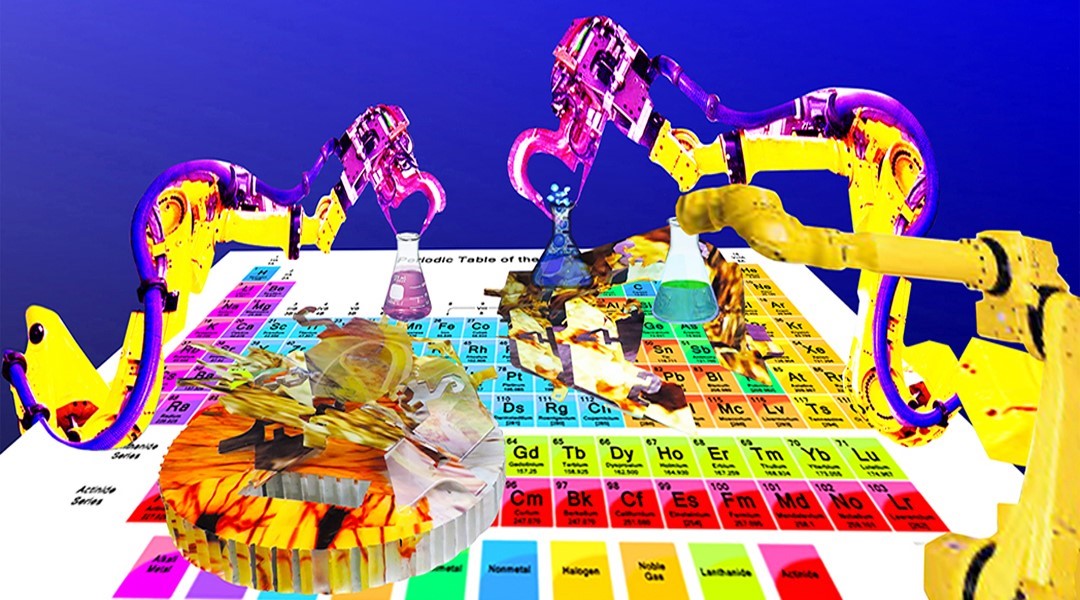
The emergence of artificial intelligence, machine learning, and robotic automation in the field of materials discovery can really take-off where combinatorial materials chemistry left-off and positively disrupt the field of materials chemistry as we know it today. In this opinion editorial, Geoff explores how “energy materials discovery” is used as a training ground to explore this question and compare and contrast the old way with the new way of operating in an attempt to discover how humans and machines can work harmoniously together to the benefit of each.

See full article at Advanced Science News.

Posted in Uncategorized | Leave a comment

Congratulations to Athan Tountas, Wei Sun, and co-authors on the success of their papers!

Congratulations to all the authors of the 2019 review, “Towards Solar Methanol: Past, Present and Future” and the 2019 paper, “Living Atomically Dispersed Cu Ultrathin TiO2 Nanosheet CO2 Reduction Photocatalyst”. Their work is among the top downloaded articles featured on Wiley Advanced Science. The success of these papers among readers highlights their significance and impact in their respective fields.

Posted in Uncategorized | Leave a comment

Congratulations Xian-Wei Lv, Lu Wang, and co-authors on you recently accepted paper!

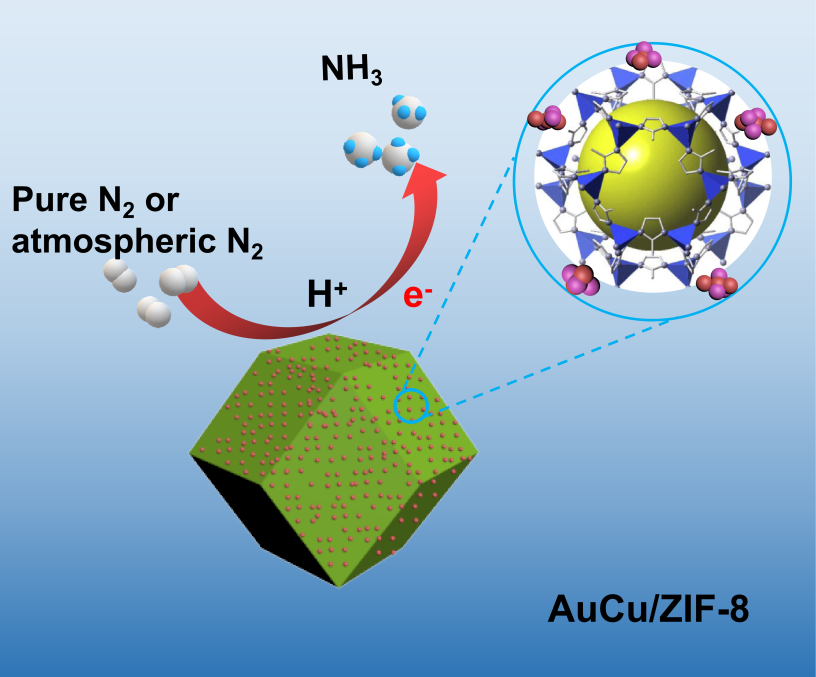
Nitrogen fixation using electrochemistry presents an environmentally-sound alternative to the energy-intensive Haber-Bosch process. Using air as the feed stock would represent an important step towards future industrialization of green ammonia. In their paper, “ZIF-supported AuCu Nanoalloy for Ammonia Electrosynthesis from Nitrogen and Thin Air”, Lv, Wang, and co-authors report a gold-copper nanoalloy-decorated zeolitic imidazolate framework that exhibits a high ammonia yield, remarkable efficiency, long-term stability and pH independence, demonstrating the technological viability of producing ammonia from thin air.
See full article at RSC.

Posted in Uncategorized | Leave a comment

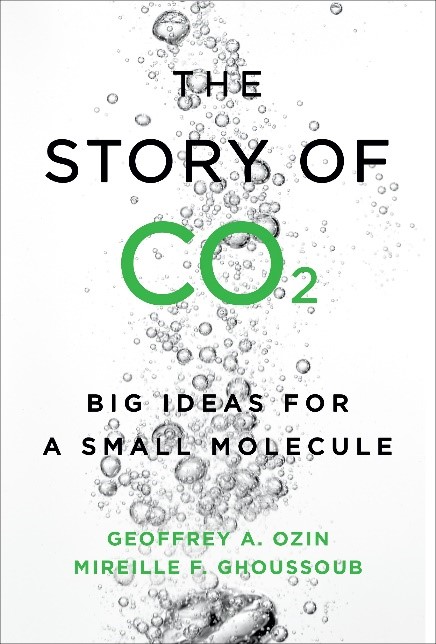
Upcoming Book Release: The Story of CO2

It is with great excitement that we wish to announce the upcoming release of The Story of CO2: Big Ideas for a Small Molecule by Prof. Geoffrey Ozin and PhD candidate Mireille Ghoussoub. The Story of CO2 is anticipated for release in October 2020 by University of Toronto Press.

Now available for pre-order!

About the book: The climate crisis requires that we drastically reduce carbon dioxide emissions across all sectors of society. The Story of CO2 contributes to this vital conversation by highlighting the cutting-edge science and emerging technologies – a number of which are already commercially available – that can transform carbon dioxide into a myriad of products such as feedstock chemicals, polymers, pharmaceuticals, and fuels. This approach allows us to reconsider CO2 as a resource, and to add “carbon capture and use” to our other tools in the fight against catastrophic climate change.


Posted in Uncategorized | Leave a comment

Is your work not novel enough?

Global scientific output roughly doubles every nine years and editors are left facing the tsunami of publications seeking homes in elite journals. The situation has created the perfect storm for biased selection criteria – whether intentional or unintentional – at the peer review gate, putting many researchers at a disadvantage. Is it time to rethink our values in higher education and place real science and social creativity as the key criteria in this sector rather than productivity and profit? Perhaps the time has come to rethink how and where we showcase our breakthroughs.
See full article at Advanced Science News.

Posted in Uncategorized | Leave a comment

Seeking connection through art in a pandemic

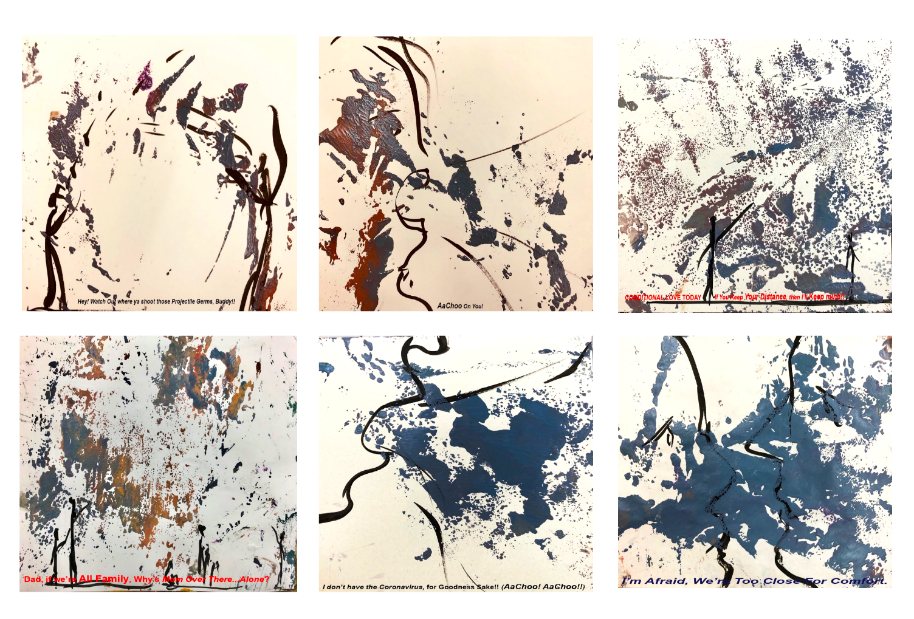
With the COVID-19 pandemic threatening public health and rapidly spreading around the world, science communication has never been more timely. In their article, Dr. Geoffrey Ozin and artist Todd Siler engage in cross-disciplinary collaboration to speak to what is currently happening around the globe. The artwork displayed in this article intimates how a chance natural event can create a widespread human catastrophe; one that involves a molecular biological assembly, a nano-bio-scale material, as exemplified by COVID-19.
See full article at Advanced Science News.

Posted in Uncategorized | Leave a comment

Prof-Bot: The autonomous chemistry professor

Are the wide-ranging tasks and the vast repertoire of skills of the university teaching professor replaceable by a robot? With recent developments in supercomputer power, big data, artificial intelligence, and machine learning, it is not beyond the realm of possibility that with all-knowledge endowed robot educators and robot assistants could rise to match or even outperform professors and teaching assistants in the theater of higher learning.
See full article at Advanced Science News.

Posted in Uncategorized | Leave a comment

Autonomous Chemical Synthesis

The self-driving chemistry laboratory has now made its debut, thanks to advances in artificial intelligence, machine learning, big data, supercomputers, and robotics. The possibilities for chemistry now seem boundless, only constrained by the imagination of humans and/or robots who are going to have to learn to live, work, and play together. As self-driving laboratories further develop, it is worth asking how this will impact the nature of chemistry research and direct innovation in the chemical sciences in the long-term.
See full article at Advanced Science News.

Posted in Uncategorized | Leave a comment